
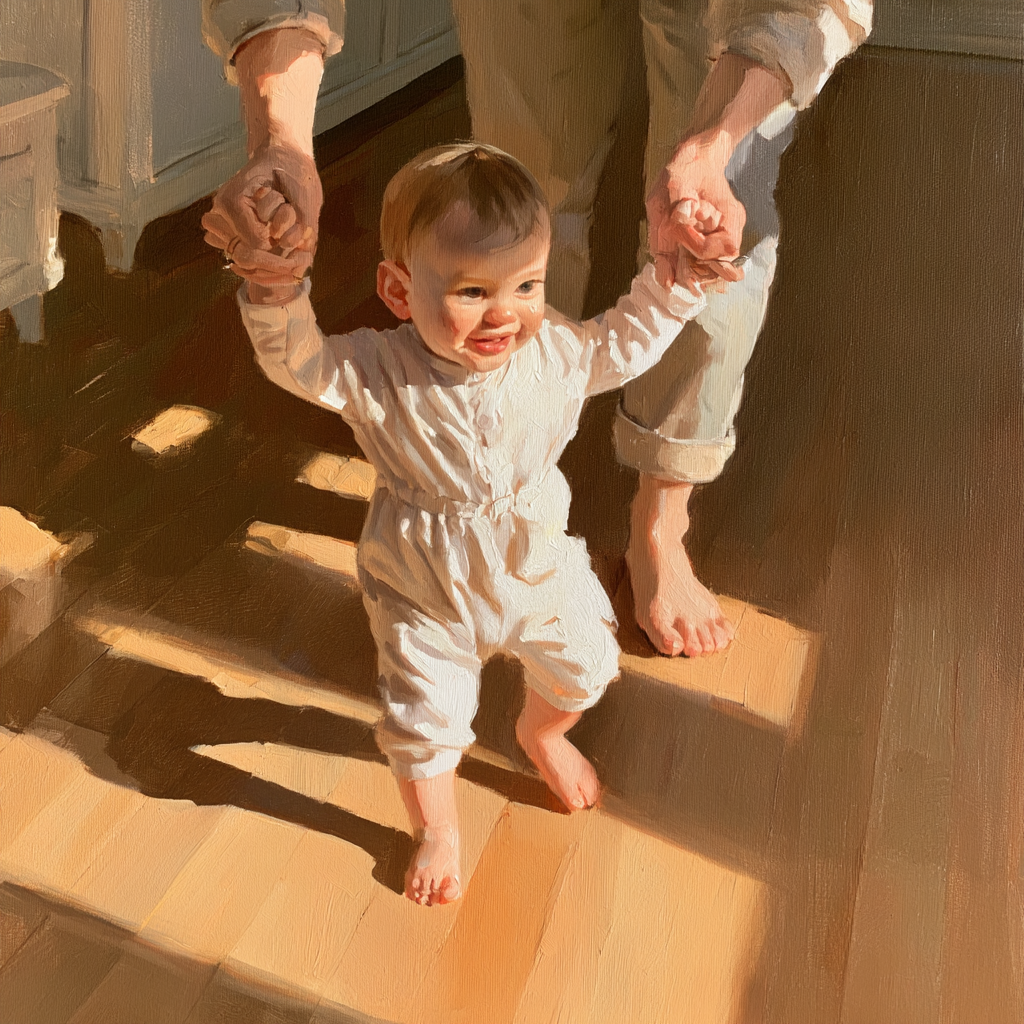
Few milestones are as exciting — or as anxiously watched — as those first independent steps. If you're wondering whether your baby is on track, the reassuring answer is that 'normal' covers a much wider window than most parents expect. Here's what the evidence actually says about when babies walk, the signs it's coming, and how to gently encourage it.
The short answer: the normal range
Most babies take their first independent steps somewhere between 9 and 18 months, with the average around 12 months. That's a wide range on purpose: a baby who walks at 9 months and one who walks at 16 months can both be developing completely normally. Walking is one of the most variable of all the early milestones, so try not to measure your child against the baby next door.
Pediatric guidance generally flags 18 months as the point to check in with your doctor if your baby isn't yet walking independently — not because something is necessarily wrong, but because it's a sensible time for a professional to take a look.
The milestones that come before walking
Walking doesn't appear out of nowhere. It's the final step in a predictable sequence, and watching these earlier milestones tells you far more than a calendar does. Most babies move through roughly this order:
|
Milestone |
Typical age |
Why it matters |
|
Sitting independently |
~6–9 months |
Builds core strength and balance |
|
Pulling up to stand |
~9–12 months |
Legs gain weight-bearing strength |
|
Cruising (holding furniture) |
~9–13 months |
Direct rehearsal for walking; weight-shifting |
|
Standing unassisted |
~11–13 months |
Balance for a few seconds — steps are near |
|
First independent steps |
~9–18 months |
The milestone itself |
If your baby is moving through these stages, they're on track — even if the calendar says they're a little later to independent steps than a friend's baby.
Signs your baby is about to walk
• Pulling up to stand confidently and often
• Cruising along furniture with increasing speed
• Standing unsupported for a few seconds
• Squatting down and standing back up while holding on
• Letting go with one hand to reach for something
• Walking while you hold their hands
How to encourage walking (gently)
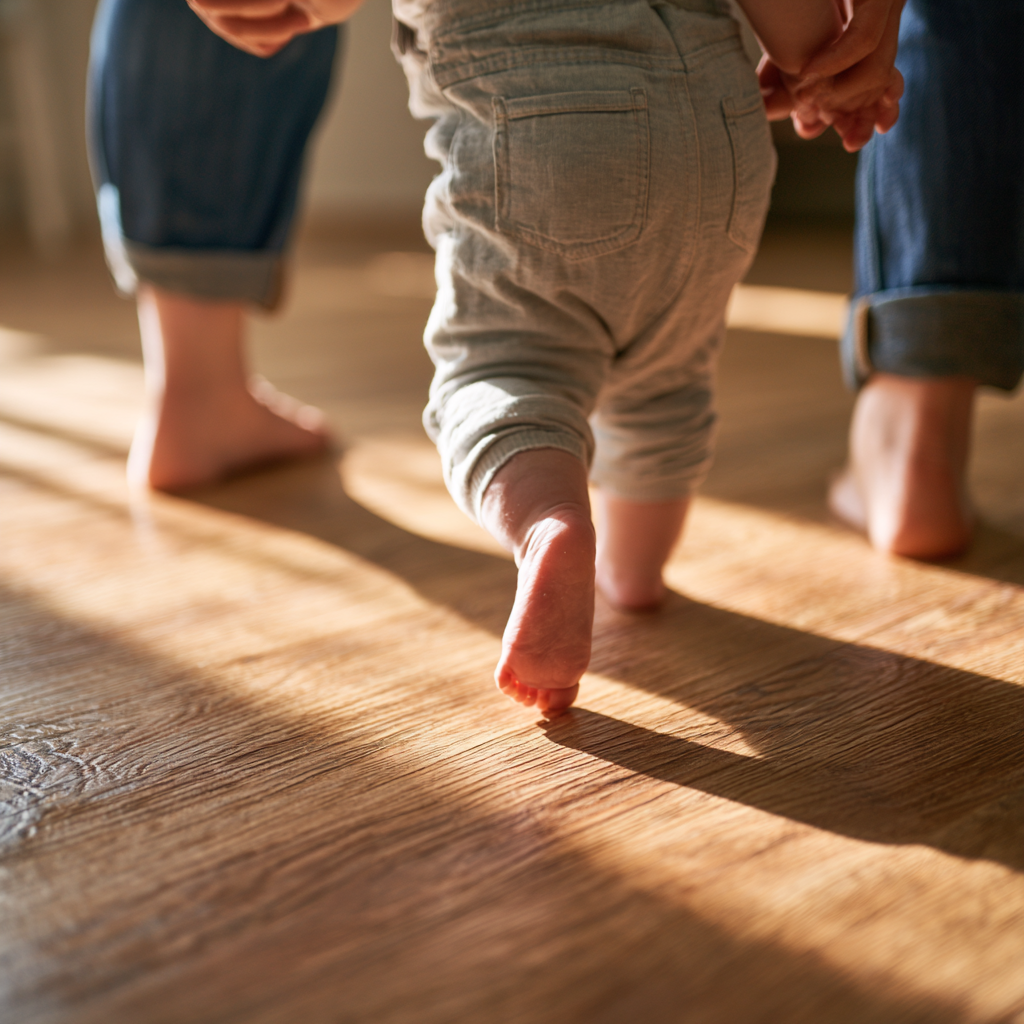
You can't rush a milestone, but you can create the conditions for it. The single most helpful thing is plenty of supervised floor time and barefoot practice in safe spaces — bare feet let babies feel the ground and build the muscles and balance they need.
• Maximize floor time: the more time exploring on the floor, the more practice they get.
• Let them go barefoot indoors: bare feet grip and sense the floor, which supports balance and coordination.
• Offer push toys: a stable, weighted push-along gives confidence for first supported steps.
• Cheer, don't drill: encouragement and a safe space beat structured 'practice'.
|
A note on baby walkers Sit-in baby walkers (the wheeled kind a baby sits inside) have been shown to delay rather than help walking, and carry a real injury risk near stairs. The American Academy of Pediatrics advises against them. Stationary activity centers or sturdy push-along toys are safer choices. |
What to put on their feet for first steps
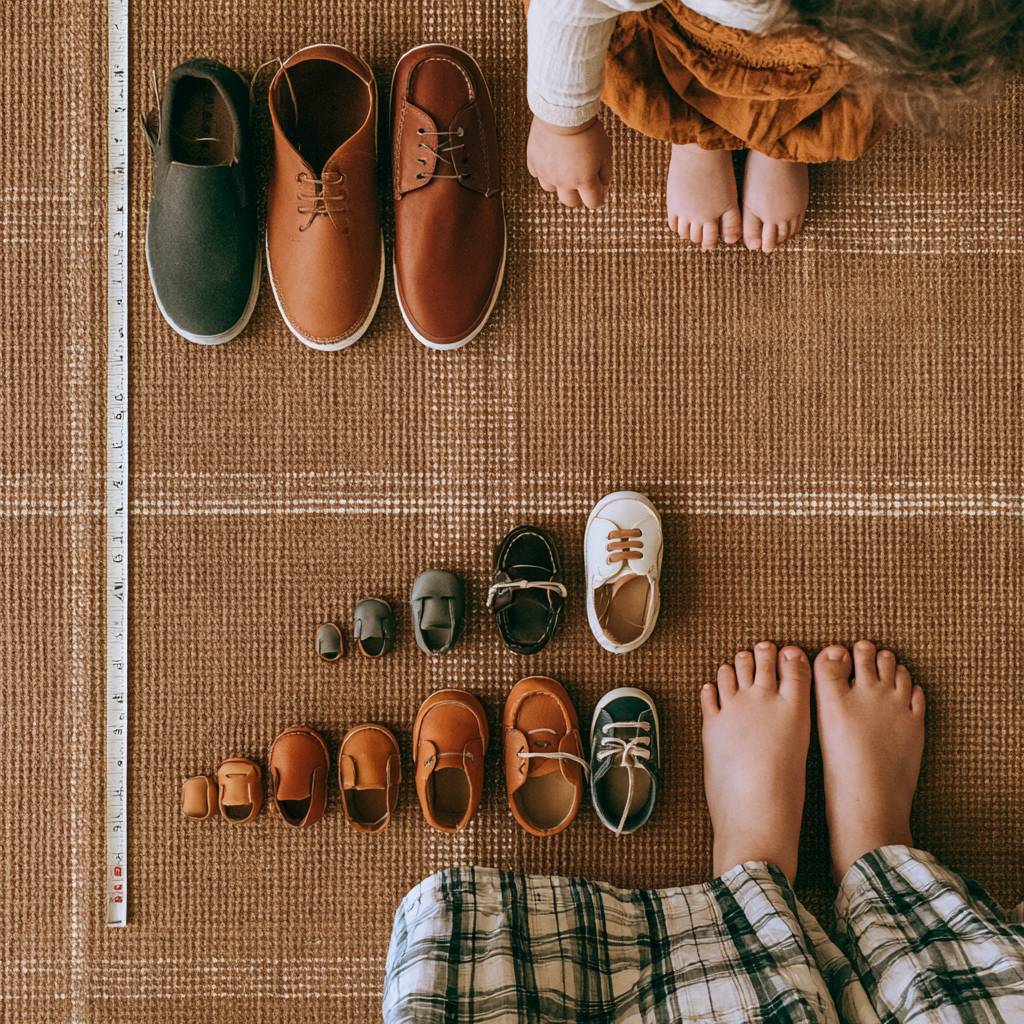
Indoors and in safe spaces, barefoot is still best while they're learning. But the moment they're cruising and stepping on cold, hard or slippery floors, a little grip and protection helps — without the stiffness of a structured shoe. This is exactly the gap that soft, flexible sock shoes fill.
Grippy, flexible My Little Wonder's keep the close-to-barefoot feel that supports development while adding traction on wooden floors and tiles. For choosing a pair, see how to choose first walker shoes.
When to talk to your doctor
If your baby isn't taking independent steps by around 18 months, it's worth a conversation with your pediatrician — not as a cause for alarm, but for reassurance or early support if needed. It's also sensible to check in sooner if you notice consistent tiptoe walking, loss of skills they'd previously mastered, or very stiff or very floppy muscle tone. In most cases, a slightly later walker who's progressing through the earlier milestones is simply taking their own time.


Leave a comment
This site is protected by hCaptcha and the hCaptcha Privacy Policy and Terms of Service apply.